Create Account
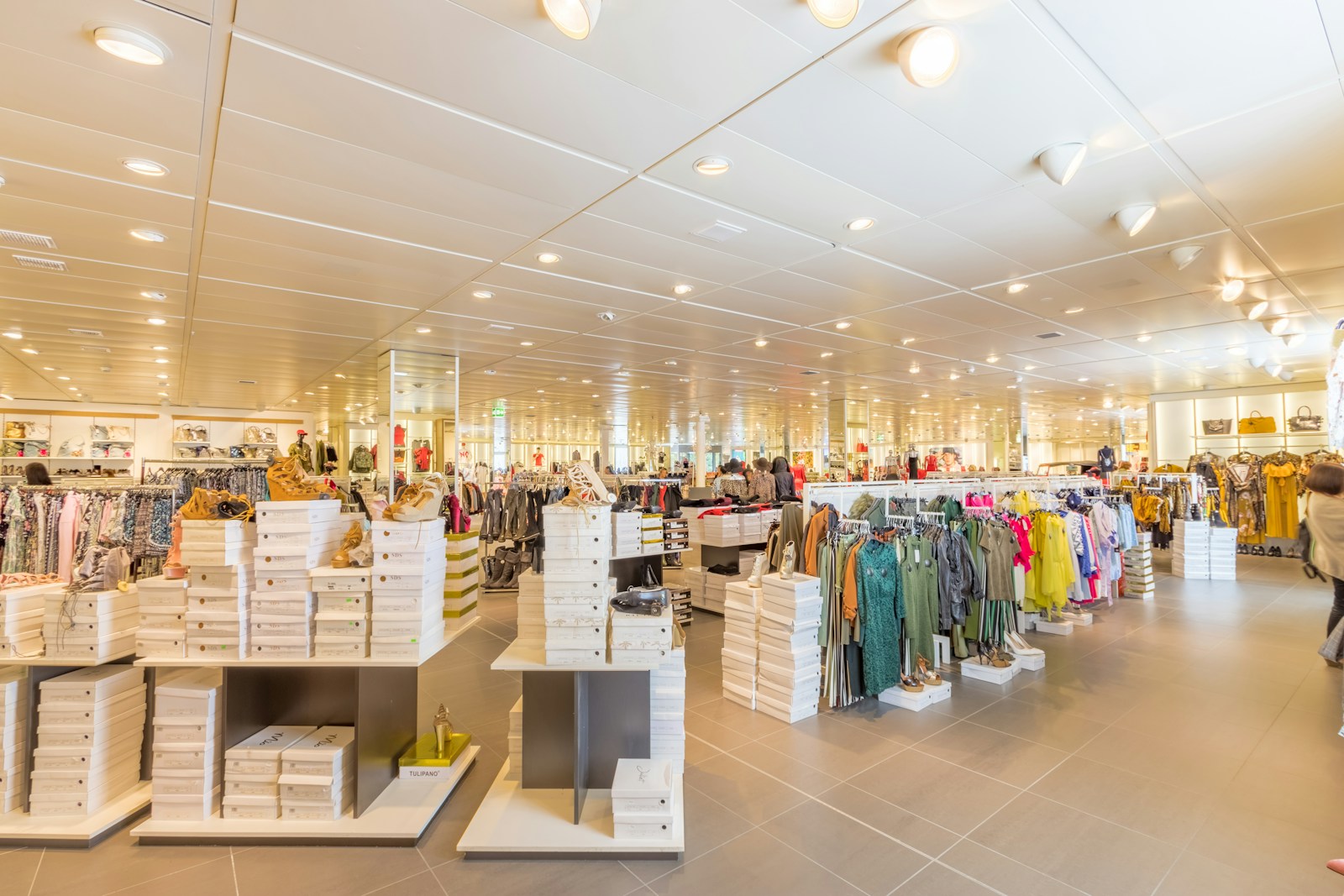
Despite ongoing concerns about the UK’s capacity to pay for its zero carbon ambitions, a new analysis lays bare the damage of failing to change our built environment.
New research by Mitsubishi Electric, which includes responses from 500 retail facilities managers across the UK, shows 8-in-10 believe becoming more sustainable will improve profits, but a lack of investment planning threatens implementation. Worse still, 35% believe their store could become a ‘stranded asset’ — deemed to expensive or unsuitable for business due to poor environmental performance — without significant improvements. This alone could cost companies £139million annually.
More than half [54%] of managers said they had already upgraded to modern, efficient heating, ventilation and air conditioning systems. However, 34% are currently considered to be non-compliant with new minimum energy standards and will be incapable of updating themselves in time for the 2030 net zero target. Overall, 21% still did not have net zero within their performance targets.
This betrays a wider issue in which c-suite level decision-makers are failing to prepare functions and processes that can expedite transition. 42% of facilities management said they had no direction on energy and emissions from seniors and more than one-third retained no control over budgets within this area. This poses a particular challenge to UK net zero as a whole, as retail is the third largest contributor to the country’s built environment footprint.

‘The retail industry has the third largest building footprint in the UK, with around 16% of all non-domestic building space occupied by shops,’ said Chris Newman, Zero Carbon Design Manager, Mitsubishi Electric Living Environment Systems UK.
‘This offers a substantial opportunity to decarbonise at scale, starting with identifying the ‘easy wins’ now and reviewing the systems responsible for heating, ventilating and cooling these spaces,’ Newman continued. ‘In having an in-depth understanding of how this equipment operates, facilities managers are uniquely positioned to support the delivery of net zero estates in future.’
Image: Alexander Faé / Unsplash
More Energy & Net Zero:
The last thing we need is a UK data centre expansion
Hydrotreated vegetable oil, battery energy storage will power onshore wind boom
£14m for Scottish communities from clean energy supplier